
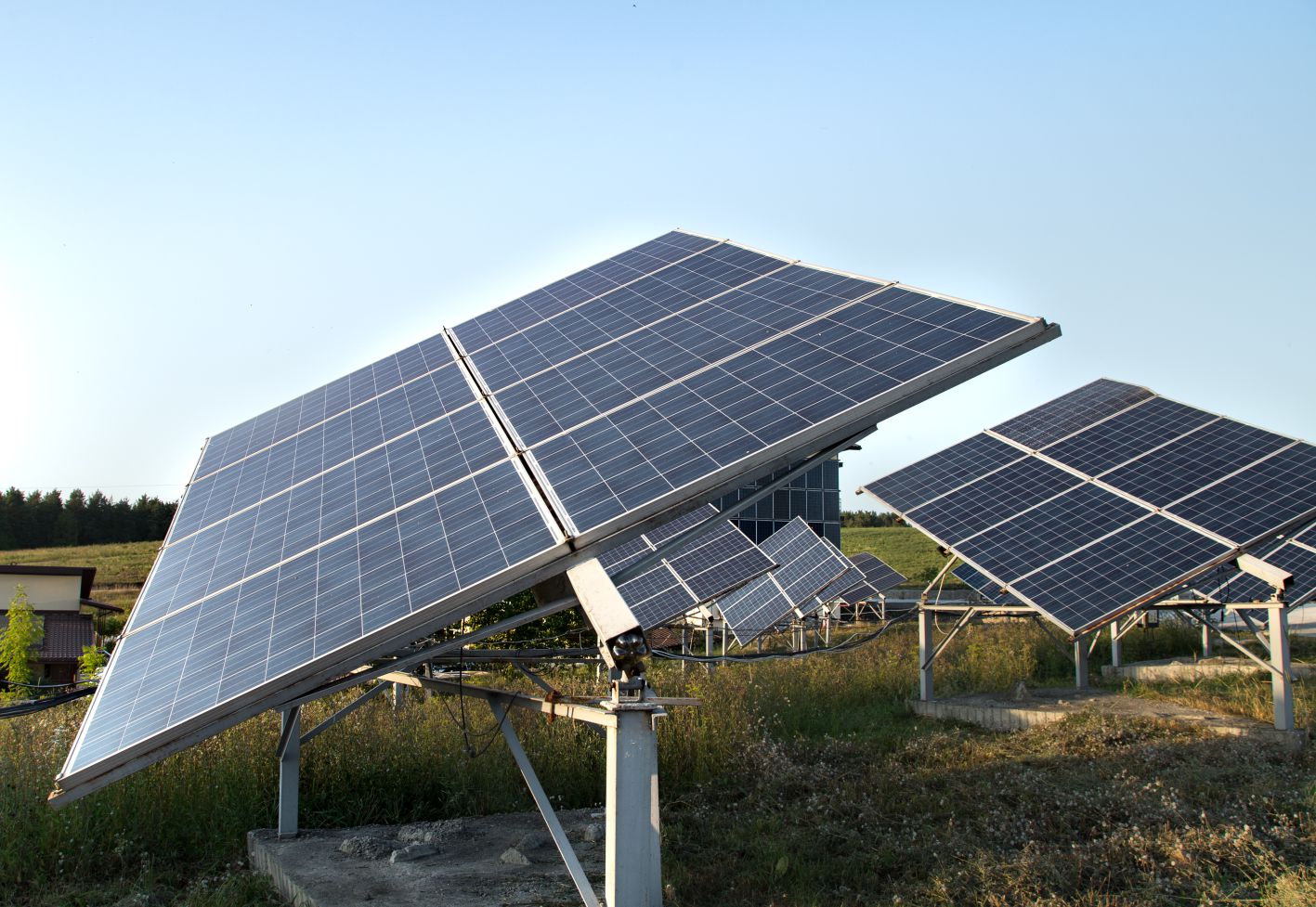
Africa’s journey toward universal electricity access has long been hampered by the limitations of both diesel generators and standalone solar systems. According to the World Bank, sub‑Saharan Africa still has 548 million people without reliable power. Over the past decade, hybrid mini‑grids—combining solar PV, battery storage, and backup diesel generation—have emerged as the most effective, commercially viable solution for rural and peri‑urban communities.
Why Hybrids Win on Cost
A 2021 World Bank analysis shows that hybrid systems deliver the lowest Levelized Cost of Electricity (LCOE) in off‑grid settings, dropping from USD 0.55 per kWh in 2018 to USD 0.38 per kWh in 2021, thanks to falling hardware prices and improved component efficiency. In Nigeria, developers report hybrid LCOEs comparable to diesel‑only mini‑grids but with vastly superior uptime, enabling productive uses such as water‑pumping and agro‑processing that diesel‑only systems cannot reliably support.
Technical Resilience in Action
Field studies of hybrid PV‑diesel facilities demonstrate up to an 85 percent reduction in diesel consumption versus generator‑only models. Battery storage shifts solar energy from midday peaks to evening demand, while diesel backup ensures uninterrupted service during extended cloudy periods. This diversification guarantees the reliability rural clinics and schools require—something pure renewables alone can’t guarantee in every season.
Scalable, Modular Deployment
Developers often start with a base capacity sized for current demand and expand incrementally. This modularity slashes upfront CAPEX—which in sub‑Saharan Africa averages USD 6,824 per kWp, compared to a global benchmark of USD 3,000 per kWp—and aligns investment with community growth. It also mitigates risk: a single solar‑battery cluster can be proof‑tested before adding diesel or more panels.
Business Model Innovations
Tanzania’s Jumeme mini‑grid operator exemplifies how hybrids can anchor local economies. By dedicating a portion of their capacity to a fish‑freezing plant, Jumeme stabilized demand and generated revenues that matched or exceeded household electricity sales, turning the mini‑grid into a local economic engine. In Nigeria, results‑based financing pilots tie subsidies to verified connections and kilowatt‑hours delivered, making hybrid projects bankable without full upfront grants.
Overcoming Regulatory and Finance Barriers
Permit timelines exceeding a year per site stall growth. Kenya’s concession regime—awarding developers rights to serve clusters of villages—has reduced per‑site approval time and unlocked economies of scale. On financing, blended‑finance structures mix concessional loans, equity, and results‑based grants. The Africa Minigrids Program, with USD 65 billion in planned investments, illustrates international commitment to scaling hybrids across the continent.
The Path Forward
- Standardize Components and Procurement to reduce costs through bulk purchasing.
- Build Local Technical Capacity via certified training programs for installation and maintenance.
- Integrate National Electrification Planning—combining grid extensions, standalone solar and hybrids—for comprehensive coverage.
- Streamline Regulations by adopting cluster‑based concessions and digitized approval workflows.
- Innovate Business Models that leverage productive-use applications and pay‑as‑you‑go financing.
Hybrid mini‑grids are more than a stopgap; they’re a blueprint for resilient, decentralized energy systems that can meet Africa’s urgent electrification needs. At Eclipse Energy & Extractives, we specialize in designing, financing, and operating hybrid mini‑grids that power communities and catalyze local industries.
Ready to scale reliable, cost‑effective electricity in your region?
Contact us at info@@eclipse.ng to learn how hybrid mini‑grids can transform your energy landscape.